Clear guidance on what your stored water may be hiding
Practical, evidence-led articles on tank contamination, algae and sediment buildup, possible health effects, and simple habits that keep household water clean.
Contaminants can enter through vents, overflow lines, and gaps in tank lids, carrying dust and debris inside.
Sediment layers
Particles settle over time, forming a sludge at the base that can hold bacteria and reduce tank capacity.
Biofilm growth
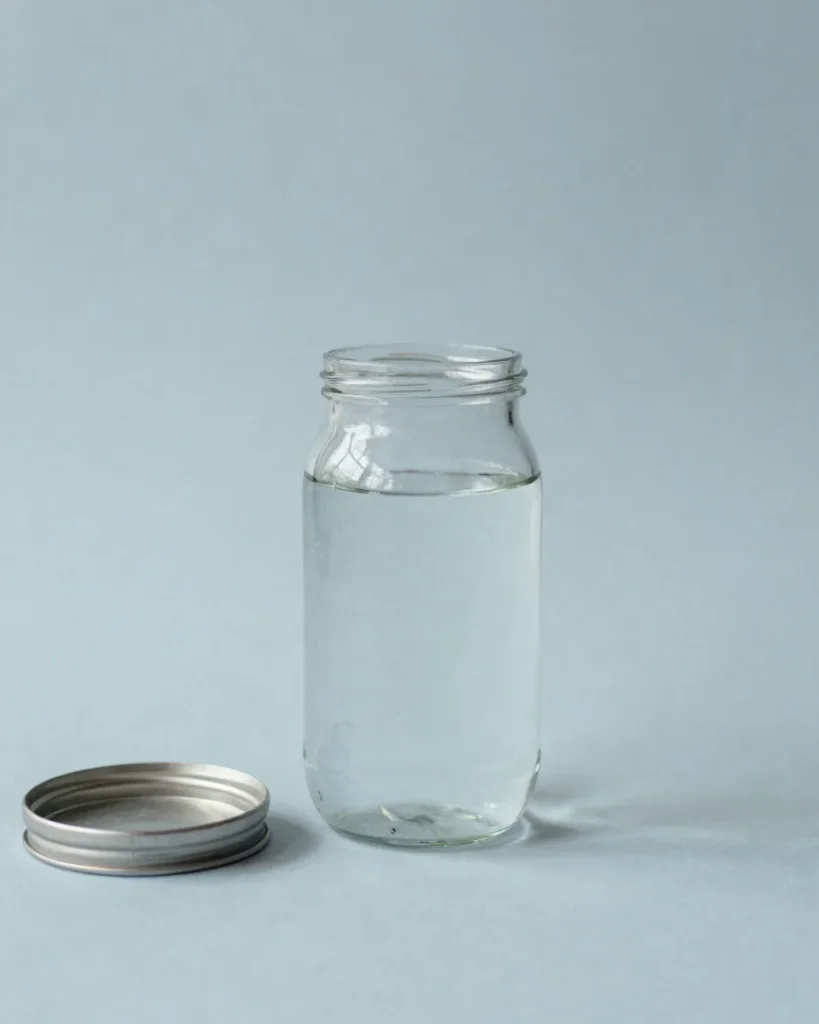
A slick film can form on tank walls before discoloration appears, so clear water is not proof of clean water.
Possible health effects
How contaminated tank water can affect health
Microbes, including bacteria that thrive in biofilm, and chemical residues may reach taps when tank water is poorly maintained. Effects vary by person and contaminant, so a water test is the reliable way to know.
Skin irritation and stomach upset are commonly reported concerns; if you notice them, consult a health professional.
Keeping water clean
Simple habits that protect stored water
Inspect lids and screens each season, check for sediment at the base, and schedule professional cleaning as advised for your tank. Keep vents insect-proof and avoid opening tanks in dusty or wet weather.
Monthly tank maintenance checklists
Subscribe for practical checklists and cleaning advisories for household water tanks.