Tank maintenance is easiest to overlook when water appears normal. A short, regular inspection can catch a loose cover, damaged screen, or leak before it becomes a larger maintenance question. The right cleaning interval and method depend on the tank, its water source, and local guidance, so build a routine around checks rather than a universal promise.
Make the outside check routine
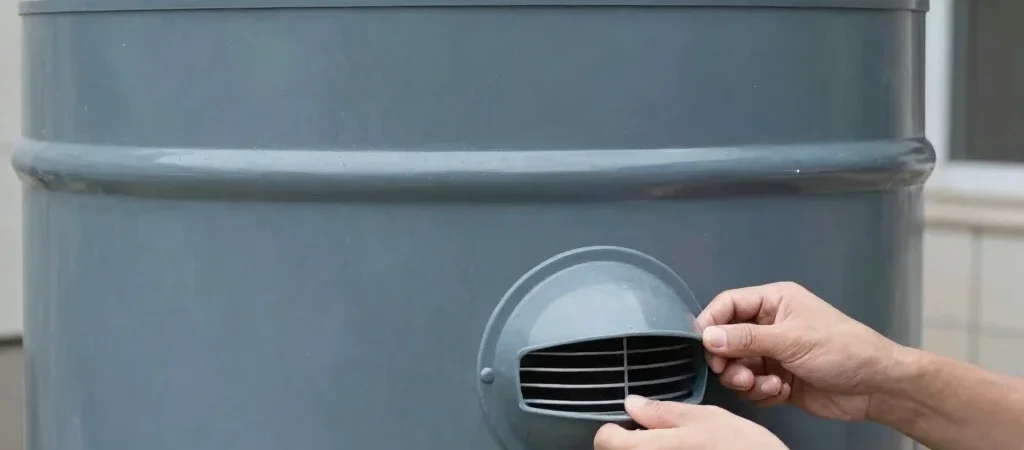
Look at the lid, access hatch, vents, overflow, visible pipes, and surrounding ground. Check that covers are secure and protective screens are intact, and remove nearby debris without introducing dirt into the tank. Note leaks, rust, cracks, or pest access for follow-up by a qualified service professional.
Keep household habits consistent
Use clean, covered containers if you store water separately, and avoid dipping hands or unclean utensils into them. Keep tank access closed except when inspection or service is needed, and make sure anyone doing work understands how to avoid introducing debris. These habits reduce avoidable exposure to dirt without replacing tank maintenance or water testing.
Plan service for your system
Ask the tank manufacturer, water supplier, or a qualified local professional how often the system should be inspected and cleaned. Frequency can vary with tank design, incoming water, use, and local requirements. Do not enter a tank or improvise chemical disinfection; confined spaces and incorrect treatment can create serious hazards.
Record changes and maintenance
Keep a brief log of inspections, cleaning, repairs, unusual odors or colors, and any water-test results. A dated record makes it easier to spot a recurring pattern and gives professionals useful context. The most practical clean-water habit is simple: notice changes, document them, and get the right advice before trying a fix.