A tank lid can be in place and the water can still change over time. Dust, insects, runoff, corroding fittings, or material already present in the incoming water may affect what is stored inside. The useful first step is to look for a plausible route in, not to assume a particular cause from appearance alone.
Check the tank’s boundaries
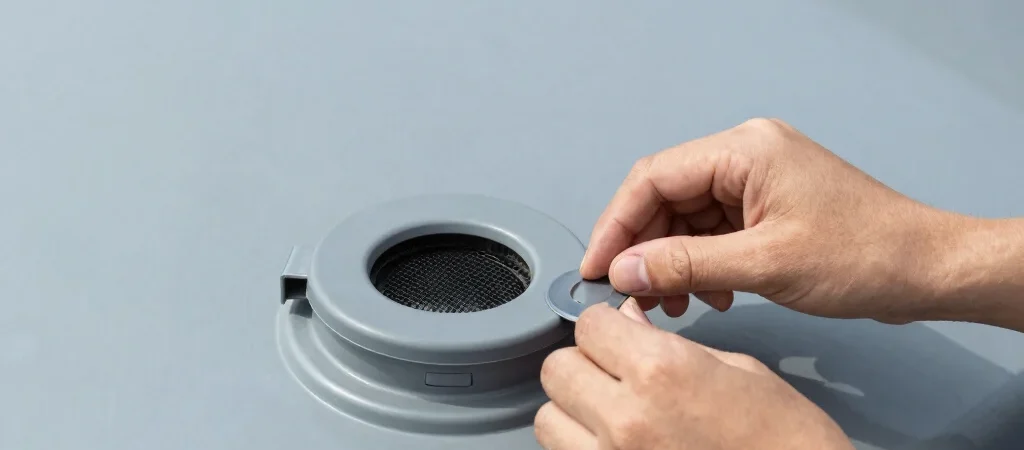
Inspect the lid, access hatch, vents, overflow pipe, and any screens for gaps, damage, or loose seals. Openings need to serve a purpose, but they should be protected from debris and pests in a way that suits the tank design. Also look around the base and nearby ground for signs that rainwater or surface runoff could reach an opening.
Follow the water’s route
Trace the line from its source to the tank and from the tank to household taps. A change in the water may relate to the source, plumbing, or storage, so the tank is not automatically the cause. If the water looks or smells different, note when it began and whether the change appears at every tap before deciding what to check next.
Treat warning signs as clues
Unusual color, odor, visible particles, or a sudden change in taste can be reasons to pause and seek advice, but none identifies a contaminant by itself. Avoid drinking water that appears contaminated while you investigate, and use an appropriate alternative if needed. Contact your water supplier or local health department for guidance, especially if the change affects multiple households or follows a known water-system notice.
Keep a simple record
Write down observations, dates, recent repairs, heavy rain, and any changes to the water source. This record can help a qualified tank service professional or water-testing provider narrow down the next step. It is more useful than guessing from a photograph or relying on a generic cleaning schedule.